
Building Confidence with Affirmations
Confidence isn’t about being good at everything. It’s about knowing what you’re good at, trusting yourself to try, and having tools to reset when your brain goes wobbly.
In kids, confidence grows when they feel seen for who they are — not just how they perform in one narrow definition of “smart.”
This Priceless Reminder from one of our Yogis (and a fish!)

One of our Yogis once wrote us this note at the studio with this quote (and credited Albert Einstein):
“Everyone is smart but if you judge a fish by it’s way to climb a tree, then for it’s whole life it will think it’s stupid.”
Whether Einstein said it or not, (maybe there was also a rather profound Albert Instin!) the kid absolutely nailed the lesson.
Kids can lose confidence when they’re measured by only one ladder: marks, speed, sitting still, “getting it” quickly. But there are so many kinds of intelligence and strength — movement, creativity, empathy, leadership, humour, persistence, teamwork, problem-solving, kindness.
When kids find their lane, they stand taller.
What confidence looks like (in real life)
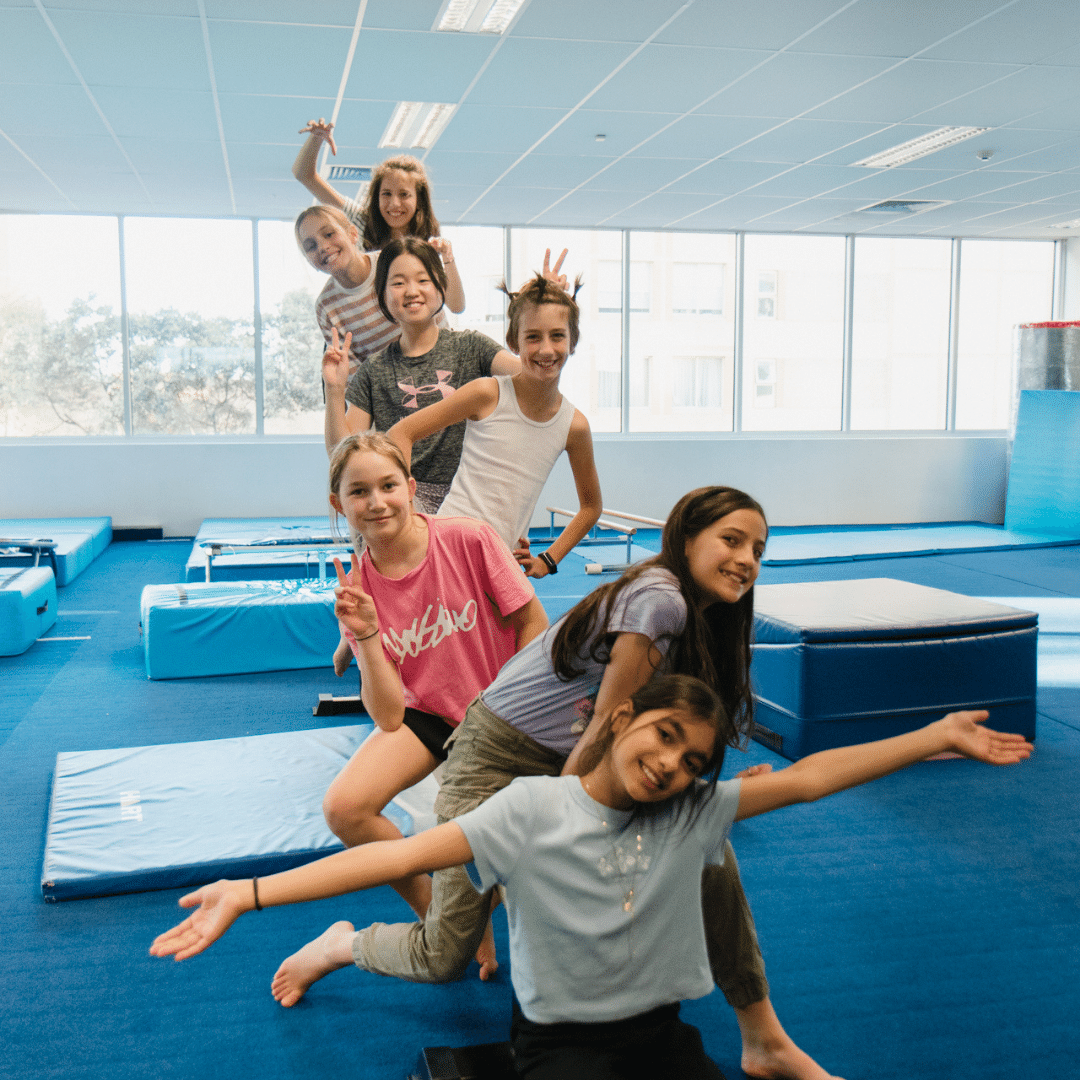
Confidence isn’t loud. It’s not always “fearless.” Often it looks like:
- Trying even when you’re unsure
- Recovering after a mistake
- Asking for help without shame
- Staying kind to yourself under pressure
- Having a go again
That’s the kind of confidence we love building through movement, mindfulness, and play in our classes.
The secret weapon: positive self-talk
Your child’s inner voice matters.
Self-talk is the running commentary in their head — and under stress, it can get dramatic fast:
- “I’m dumb.”
- “I’m going to mess up.”
- “Everyone is better than me.”
The goal isn’t to force “positive vibes only.” The goal is to give kids a better script — something realistic, steady, and supportive.
That’s where affirmations come in.
What the research says…
There’s solid evidence that training positive self-talk can help young people perform better under pressure.
For example, one randomized intervention study with junior athletes found that self-talk training led to lower somatic anxiety (those physical nerves), and higher self-confidence, self-efficacy, and performance ratings — with longer training showing stronger effects.
In other words: the words we practise can change how we feel in our bodies, how we back ourselves, and how we show up.
Do Affirmations Really Work?
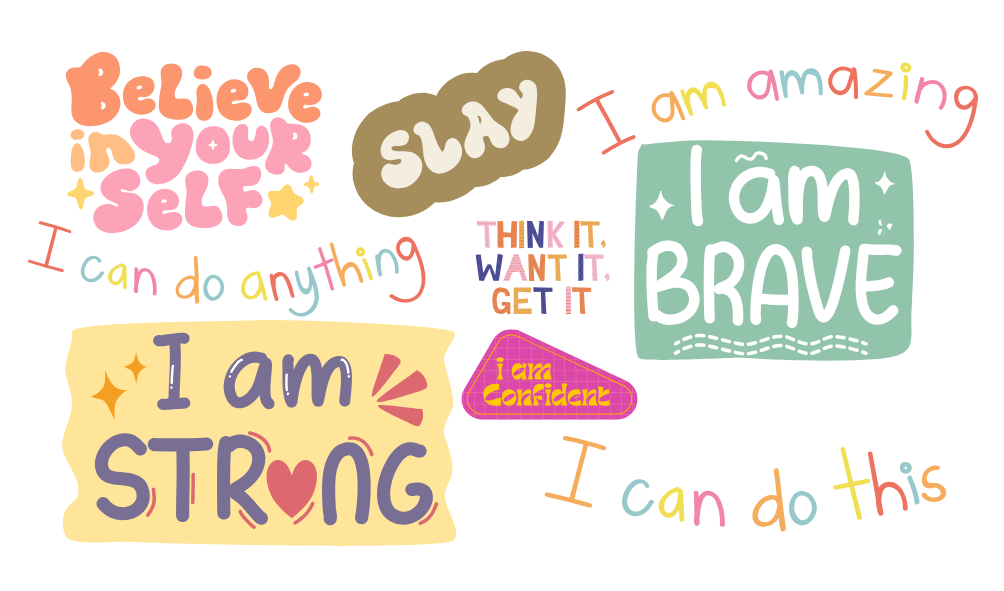
Affirmations aren’t magic spells. They’re reps for the mind.
They help kids:
- Interrupt spirals
- Refocus attention
- Calm nerves
- Choose a helpful thought on purpose
Think of it like training a skill: the more often they practise a supportive phrase, the easier it becomes to access it when pressure hits.
How to use affirmations (without it feeling cringe)
Keep it simple:
- Pick 1–2 affirmations that feel believable for your child.
- Repeat daily (morning, on the way to school, or at bedtime).
- Pair it with a body cue (hand on heart, slow breath in/out, or “strong feet”).
- Use it before the moment (tests, comps, performances) — not only when they’re already melting down.
You can also write one on a sticky note in the lunchbox, or make it the “family phrase of the week.”
24 Confidence Affirmations for Kids
6 before a test
- I can do hard things.
- I prepared and I’m ready to try.
- I don’t need to be perfect to do well.
- One question at a time.
- I can stay calm and focused.
- I trust myself to figure it out.
6 before a challenge or competition
- I’m brave enough to start.
- I can handle nerves — they mean I care.
- I learn from every attempt.
- I can adapt and keep going.
- I back myself.
- I show up with courage.
6 before a sports comp
- I play with heart and focus.
- I’m strong, fast, and capable.
- I’m a great teammate.
- I stay present — this moment only.
- I recover quickly from mistakes.
- I give my best and that’s enough.
6 anytime (everyday self-talk)
- I am more than one result.
- I’m proud of my effort.
- I belong here.
- My body is smart and I can trust it.
- I can ask for help when I need it.
- I am learning every day.